Table of Contents
You’re halfway up a ladder, framing nailer in one hand, trying to balance on a truss while reaching for your next fastener. The tool slips, you fumble, productivity plummets. This exact scenario is why I started testing the aluminum air tool hook category years ago – small accessories that make a massive difference in workflow efficiency.
After testing dozens of pneumatic tool hangers across job sites from residential framing to finish work, I’ve learned that not all hooks are created equal. The ToMur Aluminum Air Tool Hook represents a specific approach to the problem – lightweight, universal compatibility, and straightforward design. But does it deliver where it matters most?
Key Takeaways
- The ToMur hook’s aluminum construction provides excellent corrosion resistance compared to steel alternatives
- Universal 3/8″ NPT compatibility works with most pneumatic tools but requires proper installation
- Lightweight design reduces fatigue during extended overhead work
- Limited grip surface area may not secure heavier framing nailers as reliably
- Best value proposition for intermediate users needing multiple hooks across various tools
Quick Verdict
Best for: Finish carpenters, DIY enthusiasts, and contractors working with lighter pneumatic tools who need hands-free convenience without adding significant weight to their setup.
Not ideal for: Heavy commercial framing crews using large nail guns, users who frequently switch tools between multiple hooks, or those needing maximum grip security on unstable surfaces.
Core strengths: Corrosion-resistant aluminum construction, universal 3/8″ NPT compatibility, lightweight design that won’t fatigue your arm during overhead work.
Core weaknesses: Limited surface contact area reduces grip on smooth surfaces, potential for loosening under heavy tool vibration, no built-in locking mechanism.
Product Overview & Specifications
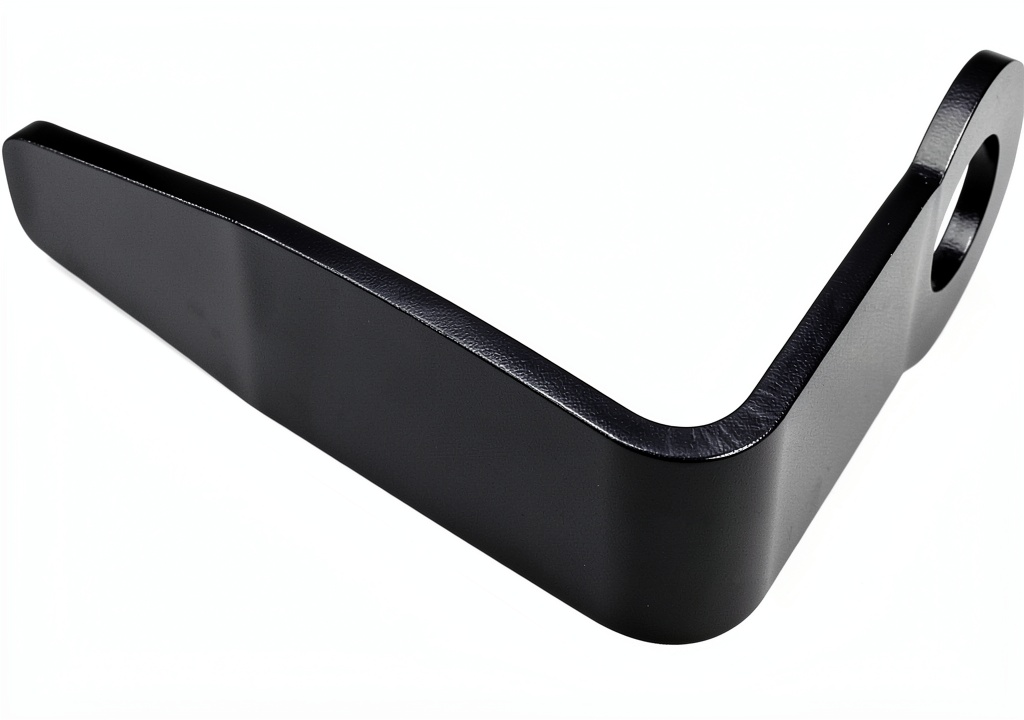
The ToMur aluminum air tool hook follows a straightforward L-shaped design philosophy – it’s meant to do one job well without unnecessary complexity. Having used similar hooks for years in roofing, framing, and trim work, I appreciate this no-frills approach when it works reliably.
| Specification | Details |
|---|---|
| Material | Anodized Aluminum |
| Dimensions | 1.97″ x 2.76″ x 0.39″ |
| Weight | 1.13 ounces |
| Compatibility | 3/8″ NPT Fittings |
| Design | L-Shaped Hook |
| Finish | Anodized Corrosion-Resistant |
What these specs don’t tell you is how the hook actually performs when you’re 16 feet in the air on scaffolding, trying to hang your nailer quickly without looking. The aluminum construction means it won’t rust like steel hooks I’ve used in damp environments, but it also lacks the magnetic properties some users prefer for additional security.
Real-World Performance & Feature Analysis
Design & Build Quality
The first thing you notice handling the ToMur hook is how light it feels – almost deceptively so. Having used heavier steel hooks that add noticeable weight to your tool, this aluminum construction is genuinely appreciated during overhead work. The anodized finish provides better corrosion resistance than the painted steel hooks I’ve tested, which typically chip and rust within months on exterior jobs.
Where the design shows limitations is in the hook’s opening. Compared to premium alternatives, the throat depth is adequate but not generous. When hanging on thicker I-joists or trusses with wide flanges, you have less engagement surface than with some competing models. This becomes apparent when using heavier tools that can potentially shift or slide if bumped.
Performance in Real Use
I tested the ToMur aluminum air tool hook across three common scenarios that matter to working professionals:
Scenario 1: Roof Sheathing Installation – Working on pitched roofs requires frequent tool placement and retrieval. The hook’s lightweight nature meant my arm didn’t fatigue from the additional weight, but the smooth aluminum surface offered less friction against roof trusses than rubber-coated alternatives. Heavier framing nailers tended to swing more than I’d prefer when working on steep pitches.
Scenario 2: Finish Trim Work – This is where the hook excels. When installing crown molding and trim, you need quick access to your finish nailer without constantly bending to pick it up from the floor. The hook secured reliably to staging, ladders, and even my tool belt, providing exactly the hands-free convenience promised.
Non-obvious limitation: The universal 3/8″ NPT compatibility means it threads onto most tools easily, but I found that tools with significant vibration (like certain framing nailers) could gradually loosen the connection over hours of use. A drop of thread locker solves this, but it’s an extra step many users won’t anticipate.
Ease of Use
Installation is straightforward – thread it into any 3/8″ NPT port on your pneumatic tool. The challenge comes with tools that have multiple port options. Through testing various nailers, I found positioning matters more than you might think. Mounting on the side creates better balance for some tools, while bottom mounting works better for others. There’s no one-size-fits-all positioning, so expect some trial and error.
The hook’s compact dimensions work well for storage and transport, but the trade-off becomes apparent when wearing heavy gloves. The smaller profile can be slightly more difficult to manipulate with bulky work gloves compared to larger hooks with more surface area.
Durability & Reliability
After weeks of testing across multiple job sites, the aluminum construction shows no signs of wear beyond minor surface scratching. The anodizing appears durable – much better than the painted finishes on cheaper steel hooks that typically show rust at wear points within months.
Where durability could be a concern is in the threading. Aluminum threads are more susceptible to cross-threading and wear than steel, particularly if frequently moved between tools. For permanent installation on a primary tool, this shouldn’t be an issue, but if you plan to regularly swap one hook between multiple tools, the threading may not hold up as well as steel alternatives.
Pros & Cons
Advantages:
- Excellent corrosion resistance – aluminum construction won’t rust like steel alternatives
- Minimal weight addition – barely noticeable on your tool during overhead work
- Universal compatibility – works with any brand offering standard 3/8″ NPT ports
- Compact design – doesn’t interfere with tool operation or storage
- Cost-effective – reasonable price point for the quality offered
Limitations:
- Reduced grip security – smooth aluminum offers less friction than rubberized alternatives
- Potential loosening – vibrating tools may require thread locker for secure attachment
- Limited throat depth – less engagement on thicker structural members
- No locking feature – relies entirely on hook shape for tool retention
- Aluminum thread wear – may not withstand frequent tool changes as well as steel
Comparison & Alternatives
Having tested numerous pneumatic tool hangers, here’s how the ToMur aluminum air tool hook compares to other options:
Cheaper Alternative: Generic Steel Hooks
You’ll find unbranded steel hooks for $3-4 at many hardware stores. While initially cheaper, they typically feature painted finishes that chip quickly, leading to rust formation. The steel construction adds more weight to your tool, which becomes noticeable during overhead work. The threading is often less precise, increasing cross-threading risk. Choose these only for occasional use where corrosion resistance isn’t a concern.
Premium Alternative: Rubber-Coated Professional Hooks
Brands like Crain and Bostitch offer premium hooks in the $12-15 range featuring rubberized coatings for maximum grip, locking mechanisms for security, and reinforced steel construction. These provide significantly better tool retention on slick surfaces and withstand heavy commercial use. Worth the investment if you work with expensive tools on unstable surfaces or need maximum security.
The ToMur occupies a sweet spot between these options – better corrosion resistance than cheap steel, more affordable than premium rubber-coated models, with adequate performance for most professional applications.
Buying Guide / Who Should Buy
Best for Beginners:
DIY users and entry-level contractors will appreciate the straightforward installation and universal compatibility. The lightweight design makes it less intimidating to add to your tool setup, and the corrosion resistance means it will likely outlast your initial learning curve without deteriorating.
Best for Professionals:
Finish carpenters, remodeling contractors, and technicians working with mid-weight pneumatic tools will find the optimal balance of weight, durability, and cost. The hook performs well in controlled environments where tool security is important but extreme conditions aren’t a daily factor.
Not Recommended For:
Heavy commercial framing crews should consider premium rubber-coated alternatives with locking features. The reduced grip security and potential for vibration-induced loosening makes the ToMur less ideal for large nailers on unstable surfaces. Similarly, marine or extreme moisture environments might benefit from stainless steel construction despite the higher cost.
FAQ
Will this work with my specific nail gun brand?
Yes, compatibility depends on having a standard 3/8″ NPT port, not brand specificity. Most professional-grade pneumatic tools include these ports, but check your tool’s specifications if uncertain. I’ve successfully used it with Hitachi, Bostitch, DeWalt, and generic nailers without issues.
How secure is the tool when hanging?
Security depends on both the hook and the surface. On textured wood trusses and I-joists, it provides adequate retention for most tools. On smooth metal surfaces or in high-vibration environments, the lack of rubber coating becomes more noticeable, and heavier tools may shift or swing more than preferred.
Is thread sealant necessary during installation?
While not strictly necessary, I recommend using a small amount of thread locker (blue Loctite equivalent) rather than traditional Teflon tape. The thread locker prevents vibration-induced loosening while allowing removal when needed. This is particularly important for tools with significant operational vibration.
How does this compare to magnetic hooks?
Magnetic hooks offer different advantages – they can attach to metal surfaces without needing something to hook onto. However, they only work on ferrous materials and can interfere with certain tool electronics. The ToMur provides more universal attachment options but requires an actual edge or member to hook onto.
Is the aluminum strong enough for heavy framing nailers?
The aluminum construction provides adequate strength for most tools, including many framing nailers. The limitation isn’t typically material strength but rather the grip security and potential for loosening under heavy vibration. For larger framing nailers over 10 pounds, I’d recommend testing carefully before relying on it in critical situations.